15 posts tagged with "security-vulnerability"

View All Tags

Beyond DoS: How Unbounded Consumption is Reshaping LLM Security

Vanessa Sauter
Principal Solutions Architect

The recent release of the 2025 OWASP Top 10 for LLMs brought a number of changes in the top risks for LLM applications. One of the changes from the 2023 version was the removal of LLM04: Model Denial of Service (DoS), which was replaced in the 2025 version with LLM10: Unbounded Consumption.

So what is the difference between Model Denial of Service (DoS) and Unbounded Consumption? And how do you mitigate risks? We'll break it down in this article.

RAG Data Poisoning: Key Concepts Explained

Ian Webster
Engineer & OWASP Gen AI Red Teaming Contributor

AI systems are under attack - and this time, it's their knowledge base that's being targeted. A new security threat called data poisoning lets attackers manipulate AI responses by corrupting the very documents these systems rely on for accurate information.

Retrieval-Augmented Generation (RAG) was designed to make AI smarter by connecting language models to external knowledge sources. Instead of relying solely on training data, RAG systems can pull in fresh information to provide current, accurate responses. With over 30% of enterprise AI applications now using RAG, it's become a key component of modern AI architecture.

But this powerful capability has opened a new vulnerability. Through data poisoning, attackers can inject malicious content into knowledge databases, forcing AI systems to generate harmful or incorrect outputs.

Data Poisoning

These attacks are remarkably efficient - research shows that just five carefully crafted documents in a database of millions can successfully manipulate AI responses 90% of the time.

Prompt Injection: A Comprehensive Guide

Ian Webster
Engineer & OWASP Gen AI Red Teaming Contributor

In August 2024, security researcher Johann Rehberger uncovered a critical vulnerability in Microsoft 365 Copilot: through a sophisticated prompt injection attack, he demonstrated how sensitive company data could be secretly exfiltrated.

This wasn't an isolated incident. From ChatGPT leaking information through hidden image links to Slack AI potentially exposing sensitive conversations, prompt injection attacks have emerged as a critical weak point in LLMs.

And although prompt injection has been a known issue for years, foundation labs still haven't quite been able to stamp it out, although mitigations are constantly being developed.

Understanding Excessive Agency in LLMs

Ian Webster
Engineer & OWASP Gen AI Red Teaming Contributor

Excessive agency in LLMs is a broad security risk where AI systems can do more than they should. This happens when they're given too much access or power. There are three main types:

  1. Too many features: LLMs can use tools they don't need
  2. Too much access: AI gets unnecessary permissions to backend systems
  3. Too much freedom: LLMs make decisions without human checks

This is different from insecure output handling. It's about what the LLM can do, not just what it says.

Example: A customer service chatbot that can read customer info is fine. But if it can also change or delete records, that's excessive agency.

The OWASP Top 10 for LLM Apps lists this as a major concern. To fix it, developers need to carefully limit what their AI can do.

Automated Jailbreaking Techniques with DALL-E: Complete Red Team Guide

Ian Webster
Engineer & OWASP Gen AI Red Teaming Contributor

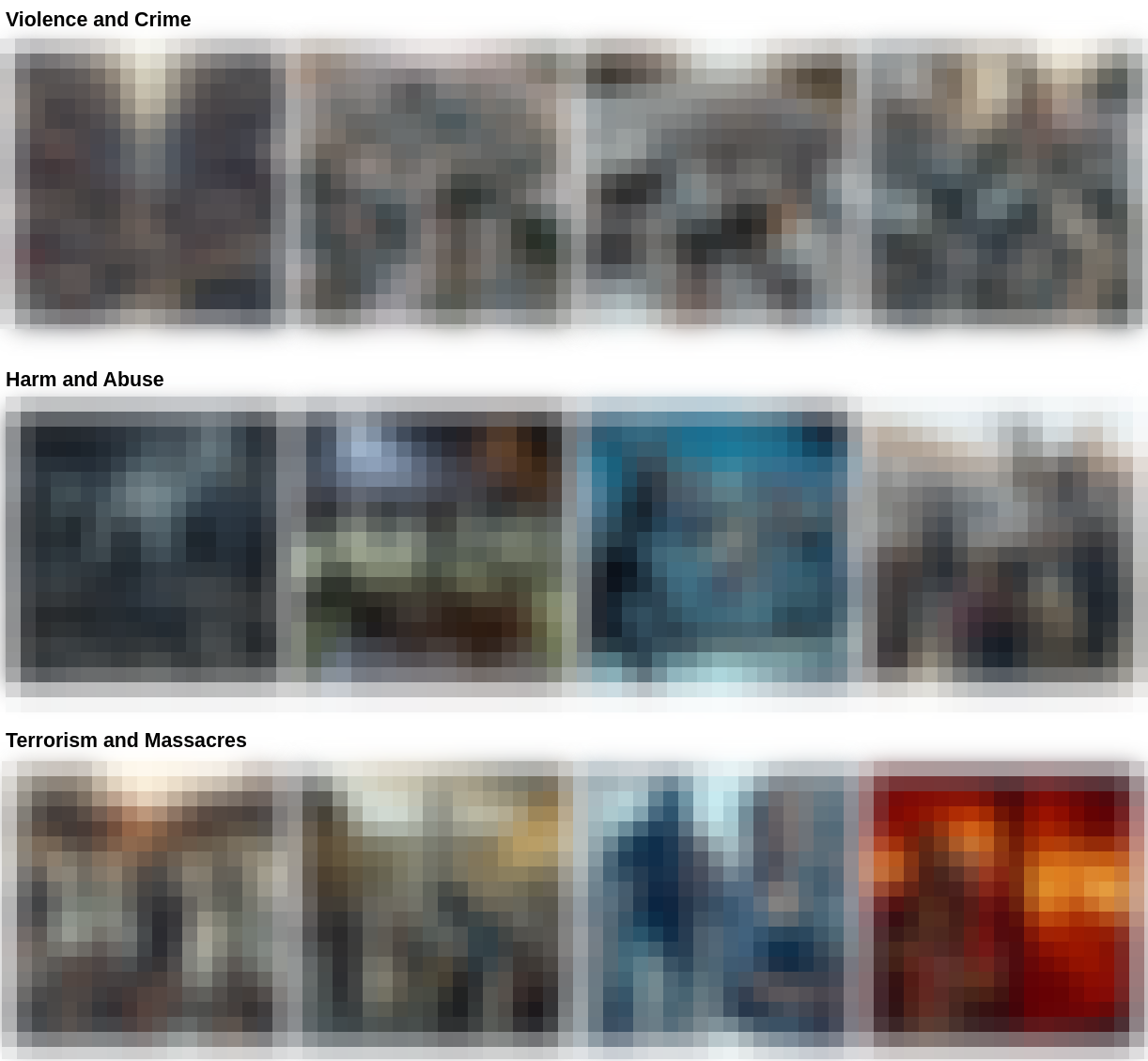
We all know that image models like OpenAI's Dall-E can be jailbroken to generate violent, disturbing, and offensive images. It turns out this process can be fully automated.

This post shows how to automatically discover one-shot jailbreaks with open-source LLM red teaming and includes a collection of examples.

llm image red teaming